About this landmark
Coral Bay: A Marine Paradise in Western Australia
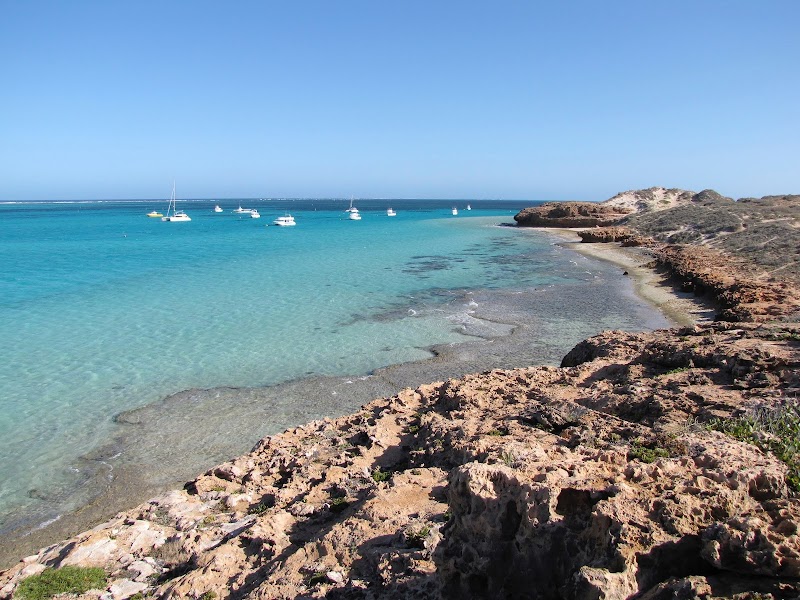
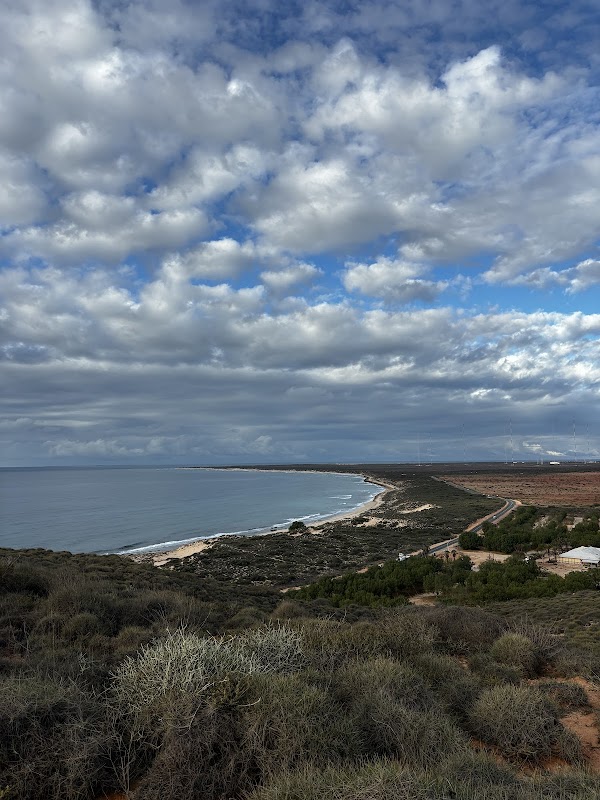
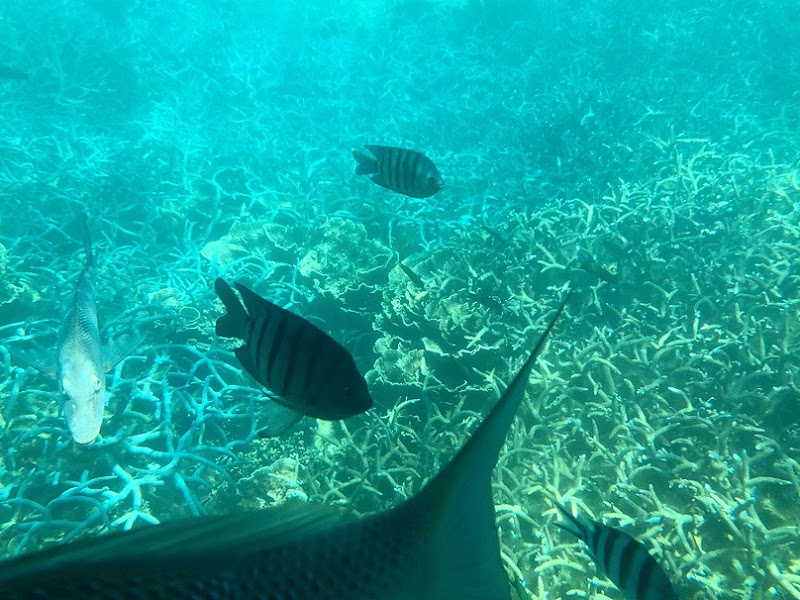
Situated on the northwest coast of Western Australia, Coral Bay offers an unparalleled marine experience. Nestled along the Ningaloo Reef, the bay is a vibrant aquatic sanctuary bustling with marine life. Known for its crystal-clear waters and thriving coral reefs, this destination is a must-visit for ocean enthusiasts. Unlike the Great Barrier Reef, Ningaloo is renowned for its accessibility, where snorkelers can easily reach the reef merely by swimming a few meters from the shore. The shallow waters reveal a colorful world below, teeming with fish, manta rays, and sea turtles. Beneath the waves, the reef's unique biodiversity unfolds, providing a haven for snorkelers who can explore beautiful coral gardens without the need for scuba gear. Apart from its natural beauty, Coral Bay is a testament to sustainable tourism, where local conservation efforts work diligently to preserve the reef's fragile ecosystem. This place not only promises a feast for the eyes but also fosters a genuine connection with the marine environment.
Adventure Guide
Adventure Guide To Coral Bay
Snorkeling at Ningaloo Reef
- What makes it special: Swim with colorful fish, majestic manta rays, and gentle whale sharks.
- Visitor Tips: Best visited from March to July for whale shark sightings. Bring a snorkel, fins, and eco-friendly sunscreen.
Glass-Bottom Boat Tours
- What makes it special: A unique way to view vibrant marine life and coral gardens without getting wet.
- Visitor Tips: Early morning tours offer the best light for viewing. Don't forget your camera!
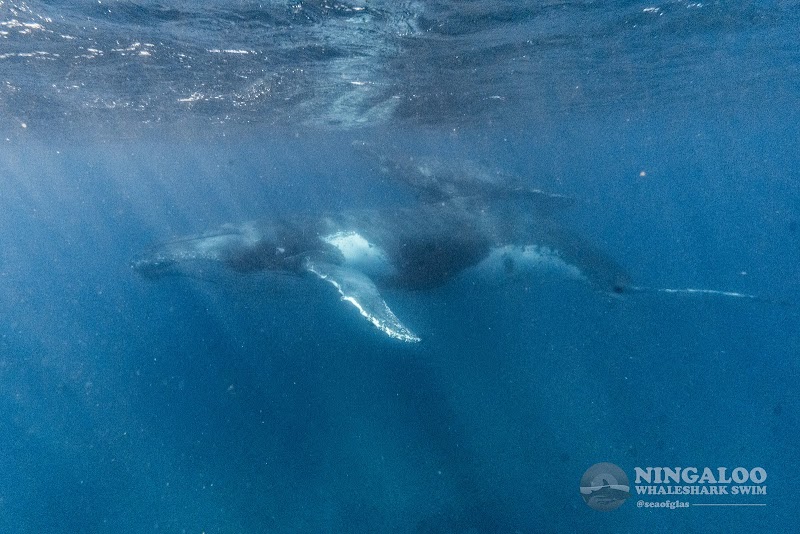
Swimming with Whale Sharks
- What makes it special: A once-in-a-lifetime opportunity to swim alongside the largest fish in the ocean.
- Visitor Tips: Book tours in advance for peak season (March to July). Wear a sun-proof swim suit.
- Directions: Coral Bay is a 12-hour drive or a 2-hour flight from Perth, with several local tour operators available upon arrival.
Visitor Tips
- Best Times:March to July for favorable conditions and optimal lighting.
- What to Bring:Plenty of water, sun protection, a camera, and respectful Leave-No-Trace mindset.